
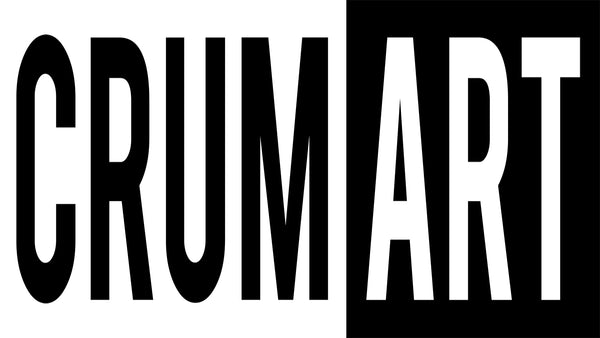
Houston Art | Streets NSEW Print | Carl Crum
Crum Art

Tap the art to see more views


$4.95 flat shipping
FREE over $100
Ships in 3–5 business days
Questions?
Text 817-965-0169
Houston Art & Street Grid Wall Decor
This print maps Houston by its streets — a north-south-east-west composition of the names and directions that orient the city, Westheimer to Kirby to Montrose. By Carl Crum, it's clean, modern Houston art and design-forward Texas art — a conversation piece you can live with, reading as graphic design from across the room and unmistakably Houston up close.
Where It'll Work in Your House
An office is its natural lane — clean type suits the wall over a desk — and it's just as easy as entryway art, in wall art for guys territory, or slipped into a black-and-white gallery wall beside Carl's other city grids.
Locals who navigate by street name, new transplants learning the grid, and design-minded grads claim this one — housewarmings and first-office milestones especially. More in homesick Texan gifts and Texas gifts.
Westheimer, Kirby, Montrose — if you can name them, you can hang them.
Fine Art Prints Made in Fort Worth, Texas
Since 1996, Crum Art has created original art, paintings, and fine art prints in Fort Worth, showing and selling work at hundreds of art shows across Texas.
Print Details
- Museum-grade giclee: archival pigment inks on 100% cotton rag paper
- Unframed and sized to fit standard frames
- Studio-made, artist-signed prints only available directly from Crum Art
Made in Texas.
Made with love. Signed by hand. Shipped with care. Hung with joy.
Streets NSEW Print
Fine Art Print by Carl Crum
Build a set of 3Add any two more prints — mix artwork and sizes — to unlock 20% off and free shipping. See it on a wall with two more →
- Signed by hand
- Archival paper
- Ships in 3–5 days
- Standard frame sizes
Ships from Fort Worth · $4.95 flat, free over $100 · 14-day returns
Product FAQ
What streets made it into the Houston grid?
Westheimer, Kirby, Montrose, and the names locals steer by — arranged north-south-east-west into one clean composition. If you can name them, you can hang them.
How does the NSEW layout actually read on a wall?
As graphic design first — compass-organized street names in clean black and white, so it reads modern from across the room and unmistakably Houston up close.
Where does Houston art like this hang best?
Office wall art is its natural lane — clean type suits the wall over a desk — and it's just as easy as entryway art or slipped into a black-and-white gallery wall.
Who's the right Houstonian to gift it to?
Locals who navigate by street name, new transplants learning the grid, and design-minded grads. Housewarmings and first-office milestones claim most of them.
Will this look like an original painting or a print?
Crum Art takes the scanning and photographing of original paintings seriously — we work to capture the texture of the canvas or paper the original was created on, so that texture shows through in the print. Combined with the cotton rag paper’s own subtle surface and the hand-signing, many customers say they cannot tell if it’s an original or a print. That’s intentional. These are not flat digital reproductions — they are fine art prints that carry the soul of the original.
What sizes does this print come in?
Our fine art prints are available in standard rectangle and square sizes. Rectangles: 8x10 unframed matted to 11x14, 11x14 unframed, 16x20, 18x24, and 24x36. Squares: 8x8 unframed matted to 12x12, 12x12 unframed, 16x16, 20x20, and 24x24. Each size ships ready to frame, making it easy to find the right fit for your wall.
How do I make a gallery wall with art prints?
Start with an anchor piece and build outward — many Crum Art prints are part of series designed to group together as a statement gallery wall, or hang individually as standalone pieces. Since every image is sized to fit standard frames, mixing sizes is easy: lay the arrangement out on the floor first, keep about two to three inches between frames, and center the whole grouping at eye level.